Comfort without waste. All year round.
A Passive House holds a steady temperature in winter and summer, with fresh air and very little energy. Marios Domoxoudis has been a certified Passive House Designer with the Passive House Institute in Germany since 2021.
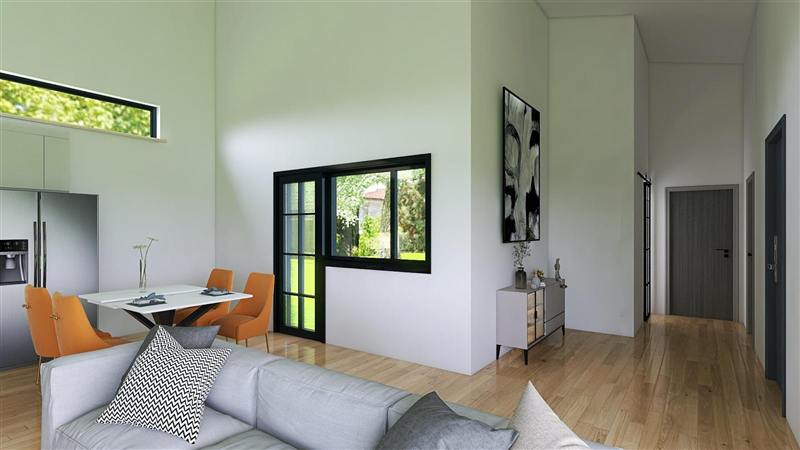
How a Passive House works.
- Continuous insulationAn unbroken insulated envelope around the whole building, from foundations to roof.
- Airtight constructionWith no uncontrolled draughts, heat stays in during winter and out during summer.
- High-performance windowsInsulated frames and high-performance glazing, correctly placed in the envelope.
- Mechanical ventilation with heat recoveryClean, filtered air around the clock, without losing the home's heat.
- No thermal bridgesConstruction details that stop heat escaping through corners, slabs and junctions.
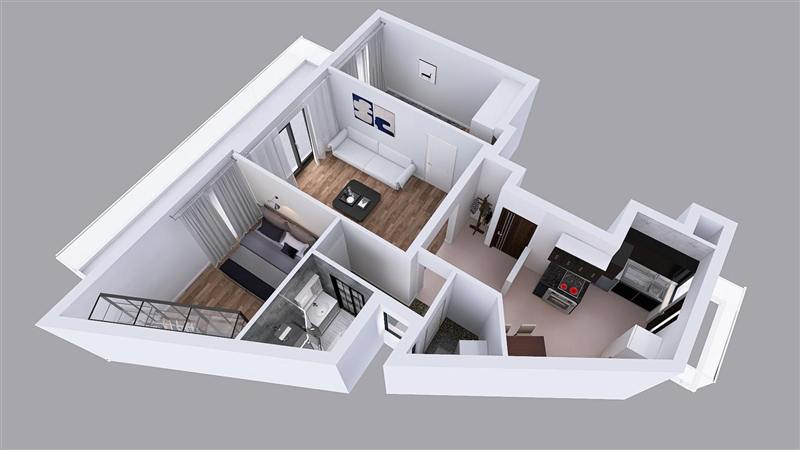
Already have a home? There is a way.
With EnerPHit, the Passive House Institute standard for renovations, an existing building can get close to Passive House performance. The work usually includes better insulation and airtightness, new high-performance windows and mechanical ventilation with heat recovery.
It can be done in stages, following a plan that sets the right order for the work.
What to know before you start.
What is a Passive House?
A building designed to keep a steady, comfortable temperature all year on very little energy. It does this with continuous insulation, airtight construction and mechanical ventilation with heat recovery, and needs less than 15 kWh per square metre a year for heating and cooling.
The result is lower bills, a smaller carbon footprint and a certification that shows your commitment to sustainable living.
What are the principles of a Passive House?
Continuous insulation, airtight construction, high-performance windows and doors, mechanical ventilation with heat recovery, and construction free of thermal bridges. Together they can cut energy use by up to 90% compared with a conventional building.
Does a Passive House cost more?
Construction costs slightly more. Running, maintenance and replacement costs are lower, though, so over time a Passive House is not more expensive than a conventional building. It also protects you from rising energy prices.
Can an existing house become a Passive House?
Yes, through EnerPHit, the Passive House Institute standard for renovations. It usually involves better insulation and airtightness, high-performance windows and mechanical ventilation with heat recovery.
What are Net Zero Energy Buildings?
Buildings that produce about as much energy as they use over a year, combining high energy efficiency with renewable sources such as solar PV. According to the International Energy Agency, buildings account for close to 40% of energy-related CO₂ emissions, so the difference matters.
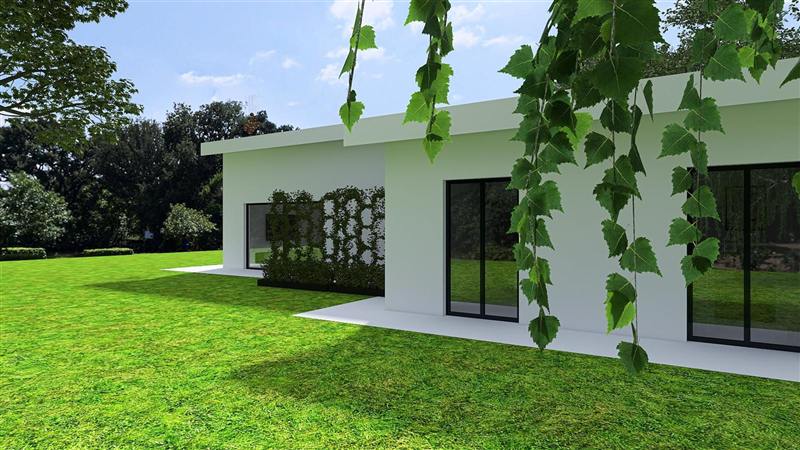
Thinking about a Passive House?
Let's look together at what it means for your plot or your home.